
Low-carb, keto & gluten-free baking: Tips & recipes

Miss freshly baked bread, muffins, or other homemade treats? You don’t have to give them up just because you’re eating low carb or keto. With a few alternative ingredients and the right recipes, you can still enjoy everything from fluffy bread rolls to savory pastries and delicious desserts.
Many low-carb and keto baking recipes are naturally gluten-free, making them great options for anyone looking to avoid traditional wheat flour. However, gluten-free doesn’t automatically mean low-carb, and choosing the right ingredients makes all the difference.
Low-carb, keto, and gluten-free baking works a little differently from traditional baking, but it doesn’t have to be complicated. In this guide, we’ll walk you through the essential flours and ingredients, explain how they work, share practical baking tips, and help you discover our favorite recipes.
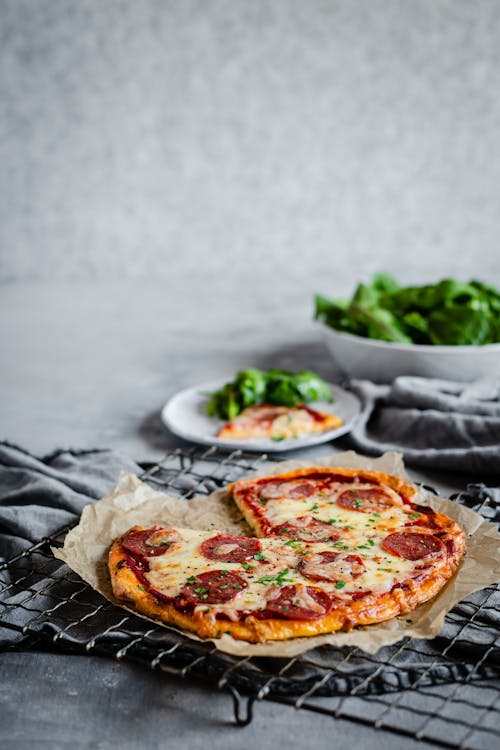
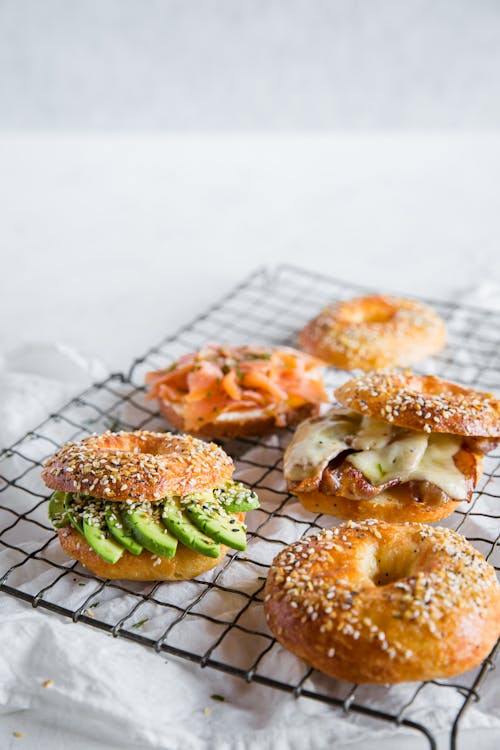
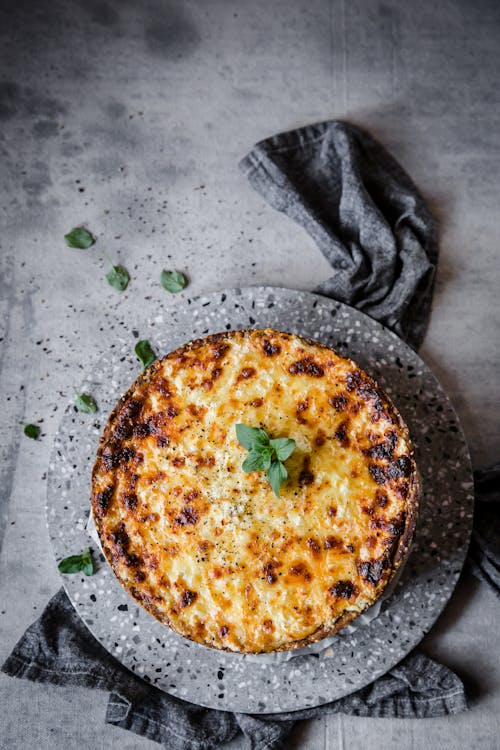
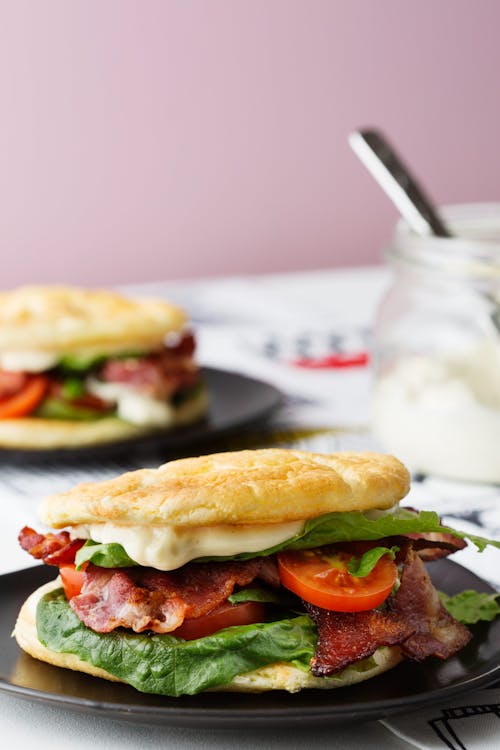
Explore our most popular low-carb and keto baking recipes and find something delicious for breakfast, lunch, dinner, or a special occasion. Many of these recipes are also naturally gluten-free.
Our most popular low-carb and keto baking recipes
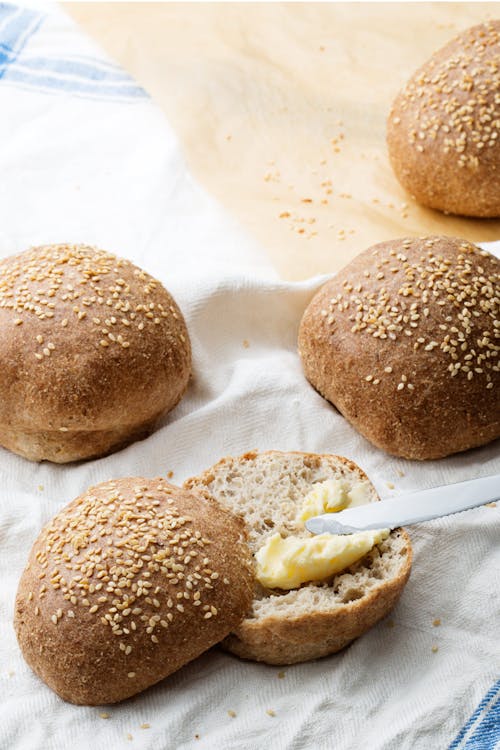
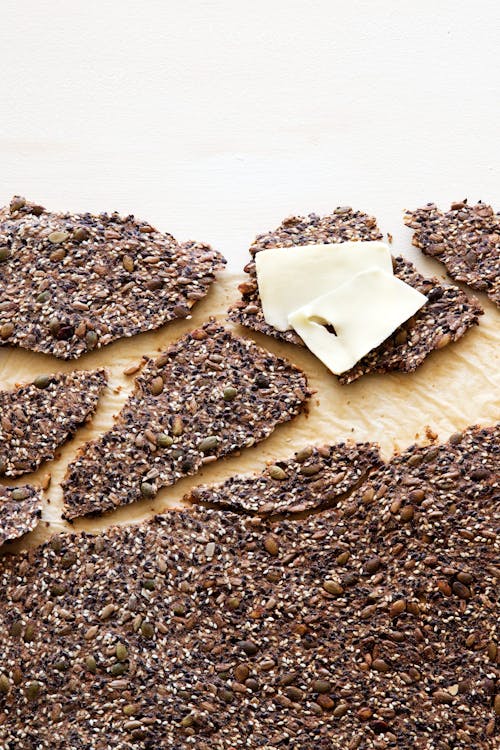
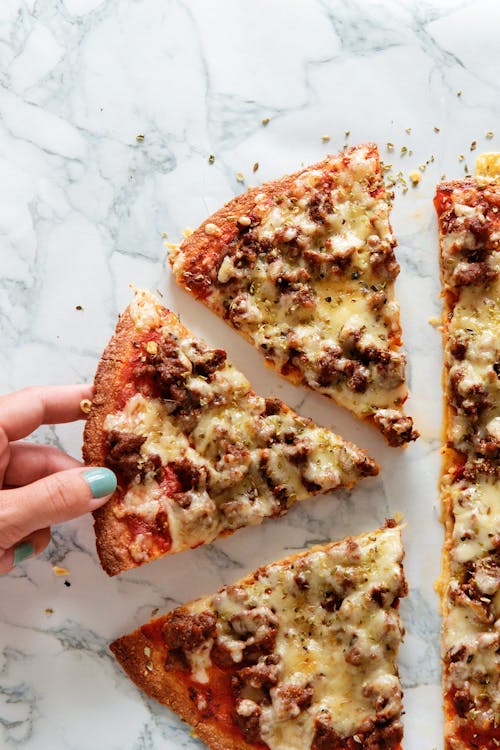
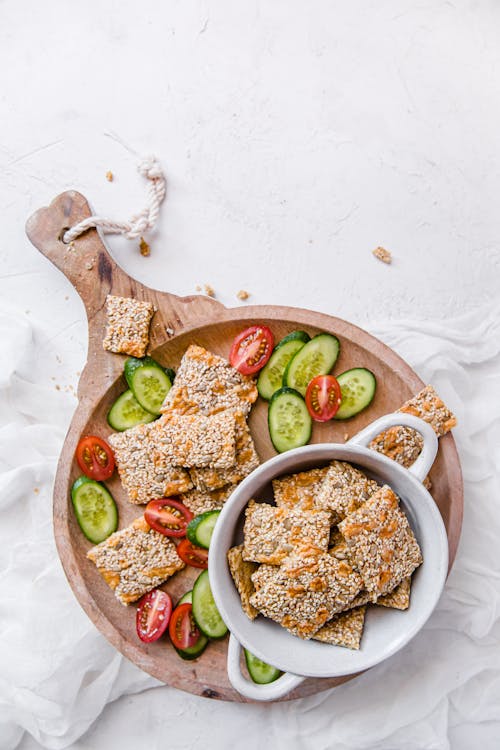
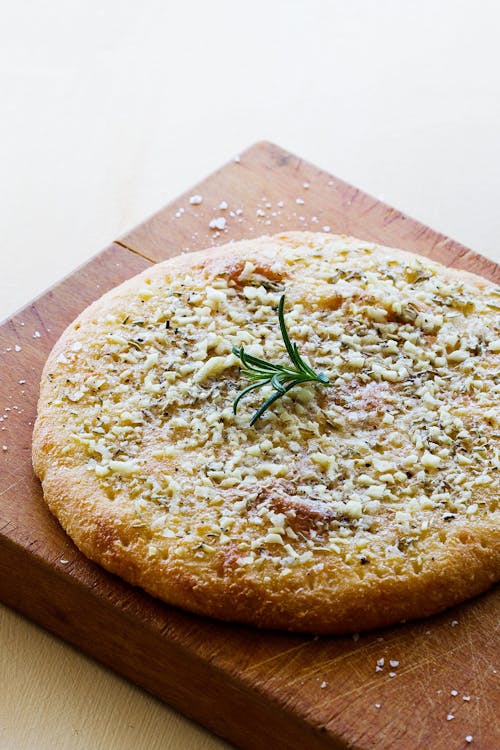
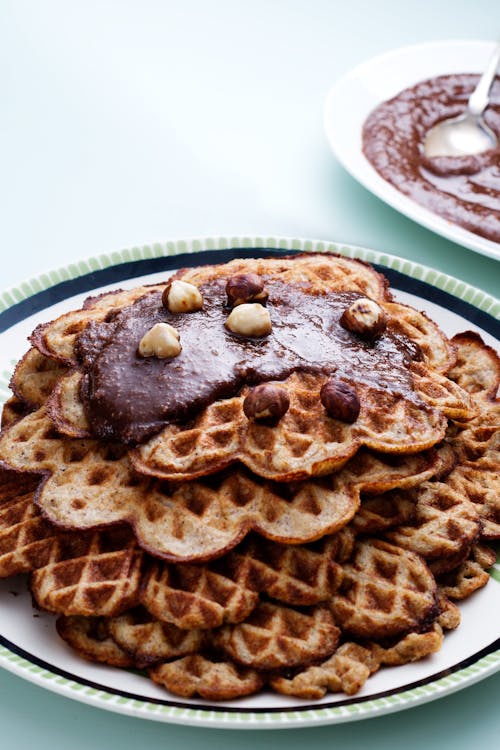

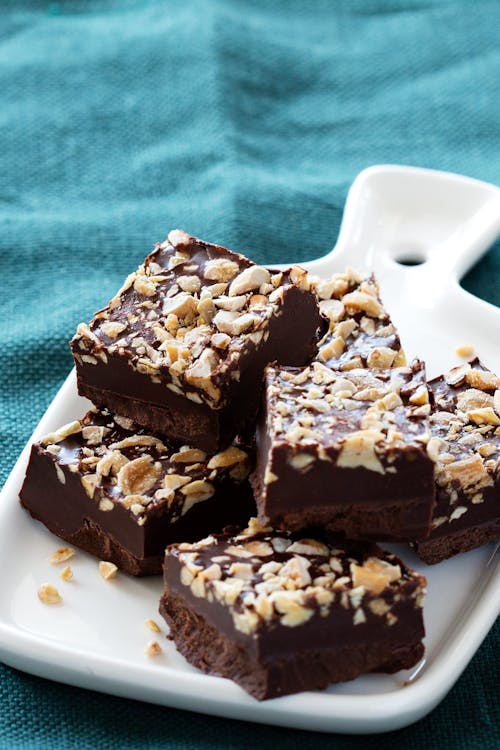

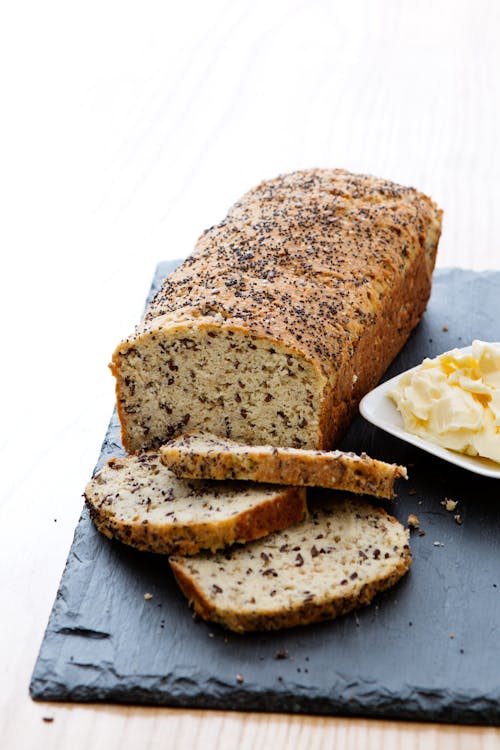
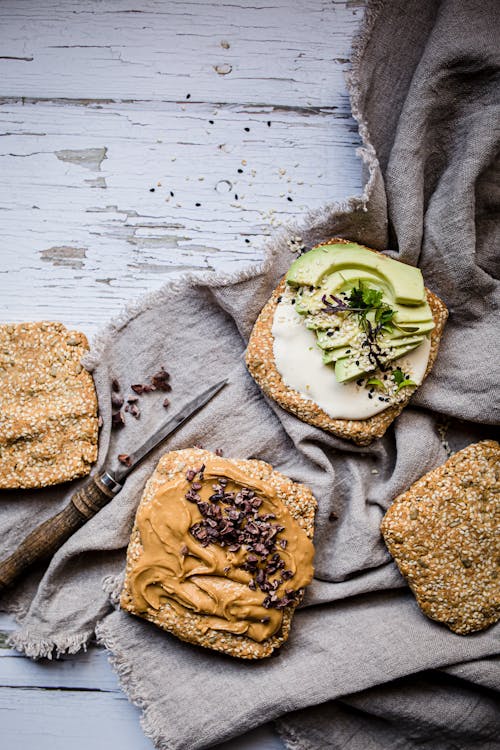
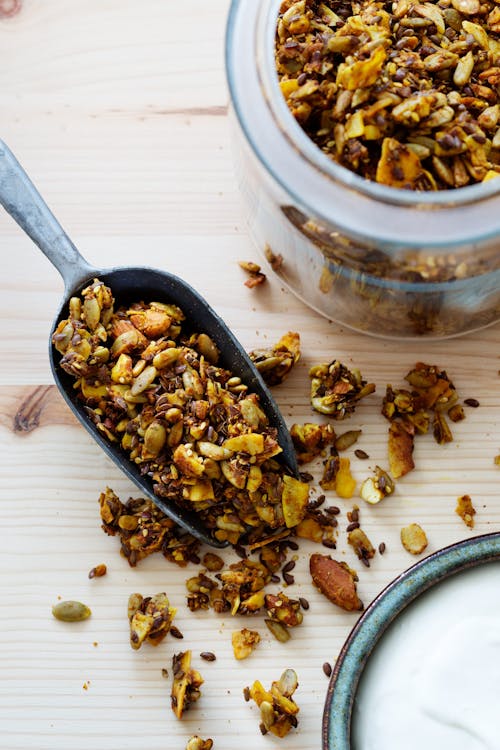



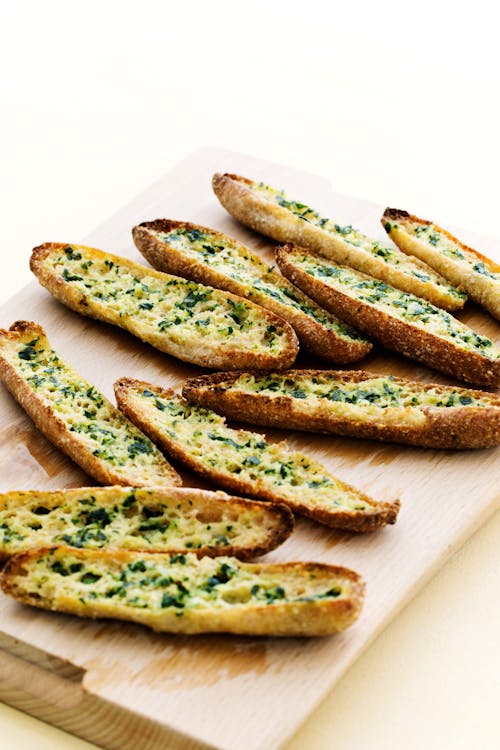
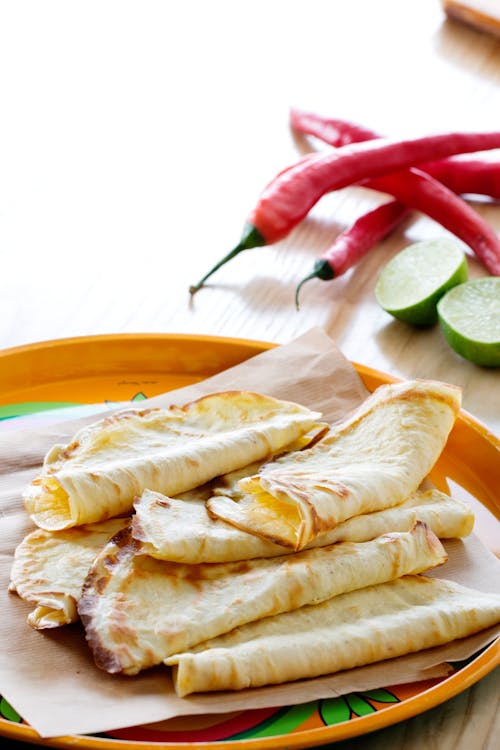
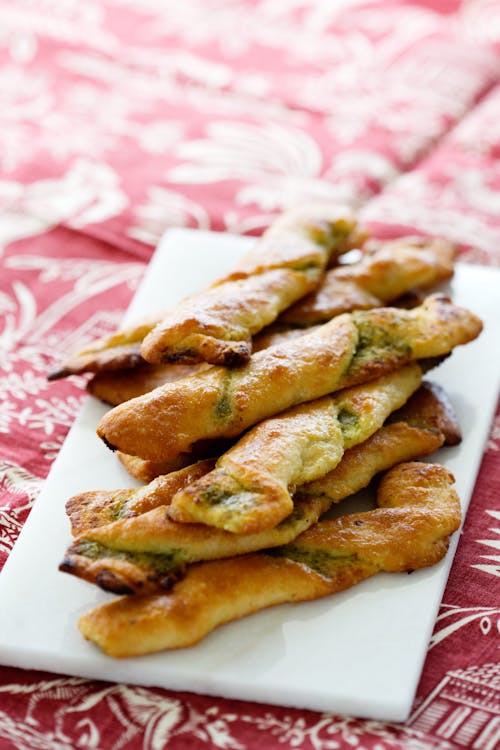
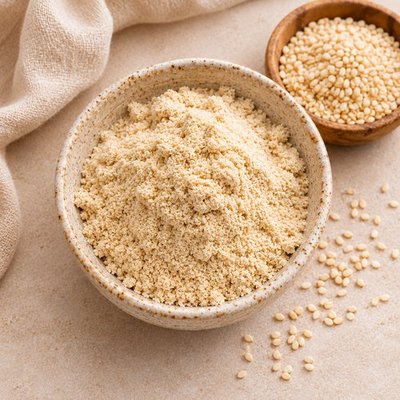
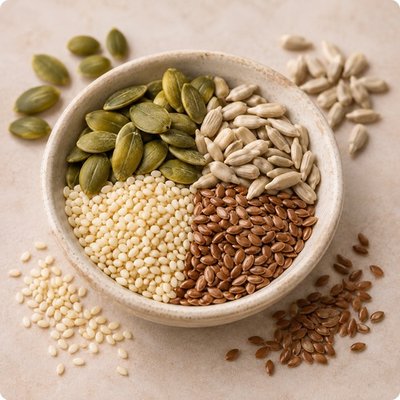
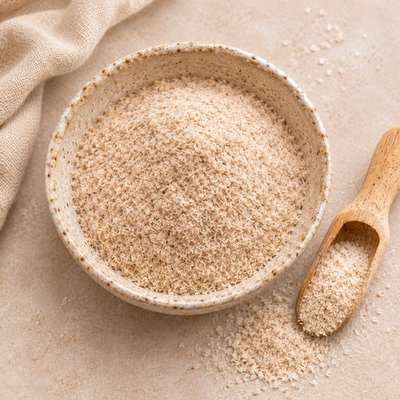
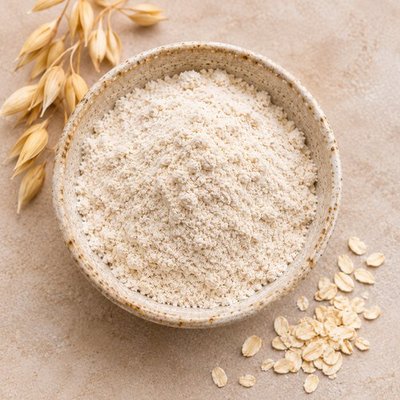
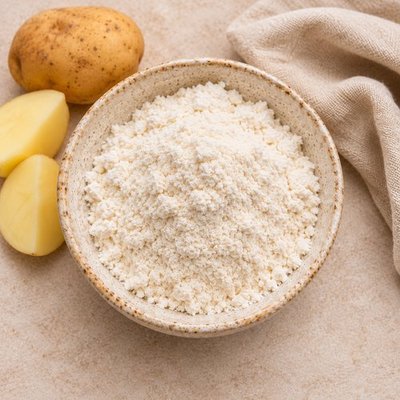
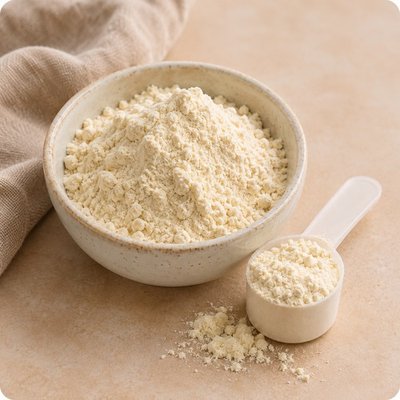
Traditional baking relies on wheat flour and gluten to create structure and elasticity. Low-carb and keto baking uses alternative flours, seeds, and fiber-rich ingredients instead. These behave differently when mixed with liquids, eggs, and raising agents, but they make it possible to create everything from soft bread and crispy crackers to fluffy cakes and delicious cookies. Here are some of the most useful ingredients to keep in your low-carb baking pantry. Almond flour is made from finely ground almonds and is naturally gluten-free. It has a mild, slightly nutty flavor and works well in everything from bread and pancakes to cakes, cookies, and muffins. For the best results, look for finely ground blanched almond flour. Coarser almond meal may give baked goods a different texture. You can also make almond flour at home by grinding blanched almonds in a food processor or spice grinder. Just be careful not to overprocess them, or you’ll end up with almond butter instead. Measurement: 1 cup (240 ml) almond flour weighs approximately 3½ oz. (99 g). Coconut flour is made from dried, finely ground coconut flesh. It’s naturally gluten-free, rich in fiber, and absorbs significantly more liquid than almond flour. This means a little goes a long way. Recipes using coconut flour often need additional eggs or other liquids to prevent the finished result from becoming dry or crumbly. Coconut flour also has a subtle coconut flavor, which works particularly well in pancakes, muffins, and sweet baked goods. Measurement: 1 cup (240 ml) coconut flour weighs approximately 4½ oz. (128 g). Seeds are another versatile option for low-carb baking, especially if you want an alternative to almond flour. Sesame flour has a distinctive, slightly nutty flavor and can work well in savory breads, crackers, and other baked goods. Some sesame flours are made from partially defatted sesame seeds, so their fat content and baking properties can differ from finely ground whole sesame seeds. Sunflower seed flour is another option for nut-free baking. You can make it by finely grinding sunflower seeds, although the result may be coarser than commercially prepared flour. Sunflower seed flour can sometimes turn green when it reacts with baking soda. This is generally harmless. Flaxseed meal adds fiber and a slightly earthy flavor to bread, crackers, and muffins. When mixed with water, ground flaxseeds form a gel that can help bind ingredients together. Important: Flaxseeds naturally contain compounds called cyanogenic glycosides, which can release cyanide when the seeds are crushed or ground. Heating ground flaxseed together with moisture can reduce this risk, but it should still be used in moderation. The Swedish Food Agency recommends that adults consume no more than 1 tablespoon of ground flaxseed per day, and only when it has been heated with liquid, such as in bread or porridge. Ground flaxseed is not recommended for children. Chia seeds also absorb liquid and form a gel. They’re particularly useful for adding texture and helping bind certain doughs and batters. Keep in mind that seed flours aren’t always interchangeable with almond or coconut flour. Follow recipes developed for the specific ingredients you’re using. Seeds and kernels are fantastic ingredients for low-carb baking, especially when making homemade bread, crispbread, and crackers. Pumpkin seeds, sunflower seeds, sesame seeds, and whole flaxseeds add flavor, texture, and a satisfying crunch. They also provide nutrients such as unsaturated fats, fiber, minerals, and some protein. You can mix whole seeds into bread dough, sprinkle them on top of rolls, or use them as the main ingredient in crispy seed crackers. Lightly toasting seeds can bring out even more flavor. For extra crunch, try combining different seeds and kernels. When using flaxseeds, keep in mind that whole and ground flaxseeds have different safety considerations, as explained above. Ground psyllium husk powder is a fiber-rich ingredient that helps bind moisture and gives low-carb bread dough a more elastic, bread-like texture. When mixed with liquid, it forms a gel that helps hold ingredients together. This makes it especially useful in keto bread, rolls, and other recipes that need to be shaped. The texture and performance can vary between brands. Some psyllium products may also turn baked goods slightly purple. This generally affects appearance rather than flavor. Measurement: 1 tablespoon ground psyllium husk powder weighs approximately 10 g, depending on the product. Oat fiber is made from the fibrous outer parts of oats and is very different from oat flour. While oat flour is made from ground oats and contains a substantial amount of carbohydrates, oat fiber consists primarily of insoluble fiber and is often used in low-carb baking. It can help improve texture and add bulk to breads, rolls, and other baked goods without contributing much digestible carbohydrate. However, oat fiber absorbs moisture and can make baked goods dry if too much is used. It’s generally best combined with other ingredients rather than used as the main flour. If you need to avoid gluten, choose certified gluten-free oat fiber, as cross-contact with gluten-containing grains can occur during processing. Potato fiber is another useful ingredient in some low-carb bread recipes. It’s made from the fibrous parts of potatoes and can help retain moisture and improve the texture of baked goods. Important: Potato fiber is not the same as potato starch or potato flour. Potato starch and potato flour contain substantial amounts of digestible carbohydrates, while potato fiber is primarily fiber. Always check the product label to make sure you’re buying the right ingredient. Unflavored protein powders, such as whey protein or pea protein, can be useful additions to certain low-carb baking recipes, particularly if you want to increase their protein content. A small amount can be incorporated into breads, muffins, pancakes, and other baked goods. However, protein powders absorb moisture and can change the texture, sometimes making baked goods dry or dense. Whey and pea protein also behave differently when heated, so they’re not always interchangeable. For the best results, start with a recipe developed for protein powder rather than replacing a large portion of the flour. Choose an unflavored product without added sugar, and check the nutrition label for carbohydrate content. Low-carb baking ingredients aren’t always interchangeable between brands. Differences in grinding, fiber content, fat content, and moisture absorption can affect the texture of your dough and the final result. For the most reliable results, follow the ingredient specifications in the recipe and measure carefully. Also check nutrition labels, since carbohydrate content can vary between products. It’s easy to assume that gluten-free flour is automatically a healthier choice, but that’s not necessarily true. Many commercial gluten-free flour mixes are made primarily from refined starches such as rice flour, corn starch, tapioca starch, or potato starch. These ingredients can be just as high in carbohydrates as regular wheat flour, sometimes even higher. Some mixes also contain added sugars, gums, emulsifiers, or other ingredients to improve texture and shelf life. These additives aren’t necessarily harmful, but a gluten-free label alone doesn’t tell you much about a product’s nutritional quality. Gluten-free doesn’t mean low-carb or keto-friendly. If you’re trying to reduce your carbohydrate intake, check the ingredient list and nutrition label rather than relying on claims on the front of the package. For low-carb baking, choose recipes specifically developed with ingredients such as almond flour, coconut flour, seed flours, or suitable fiber-based alternatives.
Best flours and ingredients for low-carb, keto & gluten-free baking
Almond flour
Coconut flour
Sesame flour and other seed flours
Seeds and kernels
Ground psyllium husk powder
Oat fiber
Potato fiber
Unflavored protein powder
Why ingredient brands matter
Are gluten-free flour mixes healthier?
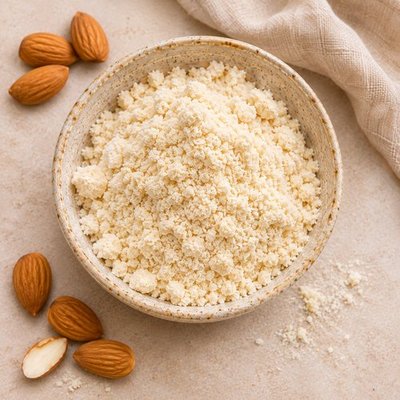
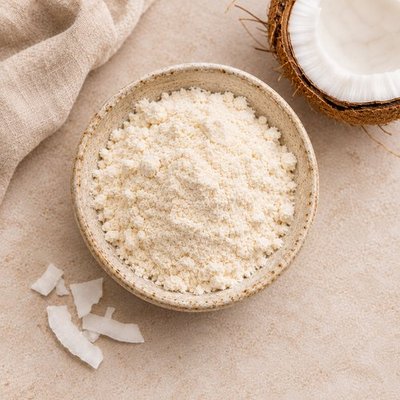
It’s one of the most common questions about keto baking, and the answer is: sometimes, but it’s not a simple one-to-one swap. Coconut flour absorbs much more liquid than almond flour, while almond flour contains more fat and behaves differently in doughs and batters. As a rough starting point, some recipes may use around one-third as much coconut flour as almond flour. However, the amount of liquid, eggs, and other ingredients usually needs adjusting too. Our recommendation: For the best results, follow a recipe developed specifically for the flour you want to use rather than substituting ingredients without adjusting the rest of the recipe. If you need to avoid nuts, look for recipes specifically made with coconut flour or other suitable nut-free alternatives.
Can you substitute almond flour for coconut flour?
Explore these recipes for easy lunches, family dinners, and weekend cooking inspiration.
Savory low-carb and keto baking recipes





Whether you’re baking for a celebration or simply want something delicious with your coffee, these recipes offer plenty of inspiration.
Low-carb and keto sweet treats



Low-carb baking can take a little practice, especially if you’re used to working with wheat flour. These simple tips can help you get better results from the start. Alternative flours absorb moisture differently, so small changes in quantity can make a noticeable difference. Using a kitchen scale is often more reliable than measuring by volume. Almond flour, coconut flour, and psyllium husk all serve different purposes. Changing one ingredient may affect the amount of liquid needed, how the dough holds together, and the finished texture. Some low-carb doughs benefit from resting for a few minutes before shaping or baking. This allows ingredients such as coconut flour and psyllium husk to absorb liquid and helps the dough become easier to handle. Always follow the resting time specified in the recipe. Without gluten, low-carb dough often feels different from wheat-based dough. Some recipes produce a thick batter rather than a dough you can knead, while others rely on eggs or psyllium for structure. That’s completely normal. Many low-carb breads and cakes continue to firm up as they cool. Cutting into them too early may make the texture seem overly moist or fragile. Follow the recipe’s cooling instructions for the best result. Homemade low-carb bread often has different storage needs from conventional bread. Depending on the recipe, refrigeration or freezing may help maintain freshness. Freezing bread in individual slices can also make it easy to enjoy whenever you want.
Tips for successful low-carb and keto baking
Measure ingredients carefully
Follow the recipe before experimenting
Give the dough time to rest
Don’t expect traditional bread dough
Allow baked goods to cool
Store your baked goods properly
Yes, as long as it fits your carbohydrate goals. Traditional bread is generally high in carbs, but keto bread recipes use alternative ingredients such as almond flour, coconut flour, eggs, and psyllium husk to keep the carbohydrate content lower. Almond flour and coconut flour are two of the most popular choices, but neither is best for every recipe. Almond flour works well in many breads, cakes, and cookies, while coconut flour is particularly useful in recipes designed around its high moisture absorption. The best choice depends on what you’re baking and the texture you want. Many low-carb baking recipes are naturally gluten-free because they use almond flour, coconut flour, or other gluten-free ingredients instead of wheat flour. However, low-carb doesn’t automatically mean gluten-free. If you need to avoid gluten, check the complete ingredient list and any relevant cross-contact information. Not usually in equal amounts. Almond flour doesn’t contain gluten and behaves differently from wheat flour, which can affect the structure, moisture, and rise of baked goods. For predictable results, choose a recipe specifically developed for almond flour. Yes, some keto bread recipes use yeast for flavor and, depending on the ingredients, to help with rising. However, yeast alone won’t give gluten-free dough the same structure as traditional wheat bread. The recipe needs other ingredients to provide structure and support. Ground flaxseed contains naturally occurring compounds that can release cyanide. Heating it together with moisture reduces the risk, but portion size still matters. The Swedish Food Agency recommends no more than 1 tablespoon of ground flaxseed per day for adults, provided it has been heated with liquid. Ground flaxseed is not recommended for children. Not at all! You can enjoy a healthy low-carb or keto diet without baking bread, cakes, or other substitutes. Low-carb baking is simply an option if you enjoy baking or miss certain foods. It’s entirely up to you how often you include baked goods in your meals.
Low-carb, keto & gluten-free baking FAQ
Can you eat bread on a keto diet?
What is the best flour for keto baking?
Is low-carb baking gluten-free?
Can I replace regular flour with almond flour?
Can I use yeast in keto bread?
Is ground flaxseed safe for low-carb baking?
Do I need special ingredients to eat low carb?
More low-carb and keto recipe inspiration
Looking for even more ideas? Explore our complete collection of low-carb bread recipes or browse our keto recipes for delicious breakfasts, lunches, dinners, and more.
Whether you’re new to low carb or already have your favorite baking recipes, there’s always something new to try.