
The top 10 ways to eat more fat
 , medical review by Dr. Andreas Eenfeldt, MD

The easiest way to eat more fat on a low-carb or keto diet is to add it to the food you already eat: cook with it, pour it over the top, choose naturally fatty ingredients, and keep fat-rich snacks on hand. Here are the top 10 ways to do it:
- Garnish dishes with high-fat foods like avocado, cheese, nuts, or bacon.
- Eat whole, full-fat ingredients instead of low-fat versions.
- Cook with fat, such as butter, ghee, olive oil, or avocado oil.
- Use different fats for different flavors.
- Prepare low-carb recipes built around fat.
- Top any dish with oil, a dressing, a sauce, or melted butter.
- Make sure your snacks contain fat, like olives, cheese, and nuts.
- Add a low-carb cheese course.
- Blend fat into your coffee or tea.
- Have a fat bomb for dessert.
The order matters, though. On low carb you first reduce carbs and get enough protein, and only then add fat, as much as you need to enjoy your food and get enough calories, but no more. Natural fat is nothing to fear: it is an important part of a low-carb diet and, on the best current evidence, not harmful to heart health. It is calorie-dense, though, so if your goal is to burn your own body fat, add just enough rather than piling it on, and our guide to how much fat you should eat goes into detail. Each of the ten tips below shows exactly how to do it.
1. Garnish with high-fat foods
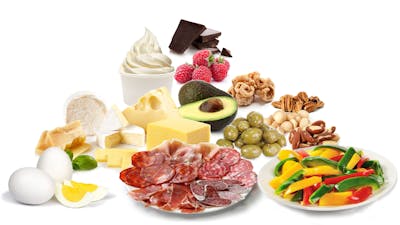
 Whole food toppings such as cheese, avocados, and cured meat add flavor and nutrients, including plenty of fat, of course! Sprinkle some on almost any dish.
Here are 23 high-fat, low-carb foods to increase your fat intake:
- Shredded parmesan
- Chunked blue cheese
- Grated cheddar
- Smoked gouda
- Balled buffalo mozzarella
- Crumbled feta
- Melted gruyere
- Baked brie
- Grilled halloumi
- Cubed avocado
- Mashed guacamole
- Diced bacon
- Sliced pancetta
- Ground sausage
- Black olives
- Stuffed green olives
- Sautéed pine nuts
- Roasted pepitas
- Toasted sesame seeds
- Slivered almonds
- Chopped macadamia nuts
- Spiced walnuts
- Flaked coconut
2. Eat whole, full-fat ingredients
 Say goodbye to low-fat and fat-free products. Say good riddance to Egg Beaters, artificial creamers, and reduced-fat peanut butter. Banish any item labeled ‘light’ or ‘lite’ from your pantry and refrigerator.
Forget non-fat and low-fat dairy. (If your grocery store doesn’t carry plain, full-fat yogurt, buy the plain low-fat version and add back the fat by stirring in heavy cream, sour cream, or crème fraiche.)
Rethink your grocery list and stock your refrigerator and pantry with real whole food, including fat-rich options like avocados and eggs. Try to add natural fat rather than avoid it.
Fatty cuts of meat can be more flavourful, tender, and inexpensive than leaner cuts. Salmon and sardines contain plenty of healthy fats and are a terrific addition, too. Invite these delicious items back onto your plate.
Learn more about low-carb, high-fat foods
3. Cook with fat
 No more limp steamed vegetables or dry chicken breasts. Cook your vegetables, meat, fish, and eggs in tasty natural fats like butter. Or the other ones listed under point 4 below.
4. Use different fats for different flavors
 Fats can change the flavor of a dish, which adds variety to your meals. For example, top green beans with butter for a comforting, familiar taste. Or, sauté them in peanut oil and drizzle with sesame oil for a delicious, Asian-inspired variation.
Experiment with new combinations to see what you like best. Stock several of these natural fats in your fridge or pantry:
- butter
- lard, tallow, duck fat, and other animal fats
- coconut oil
- olive oil
- avocado oil
- peanut oil
- other nut oils (macadamia, almond, walnut, etc.)
- sesame oil
5. Prepare low-carb recipes
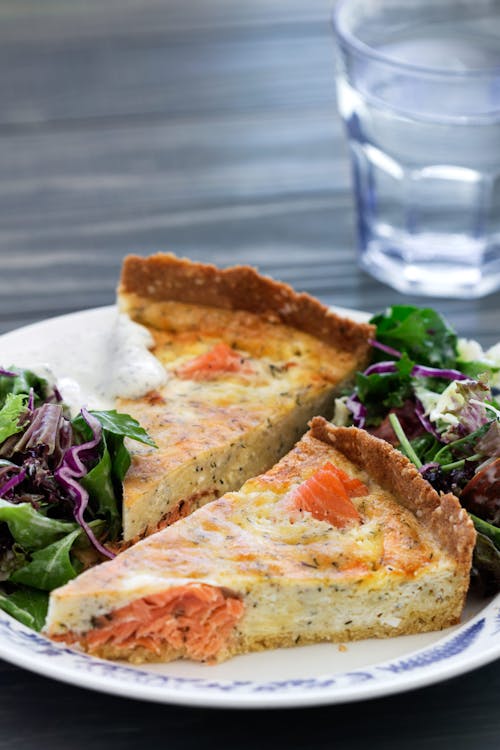
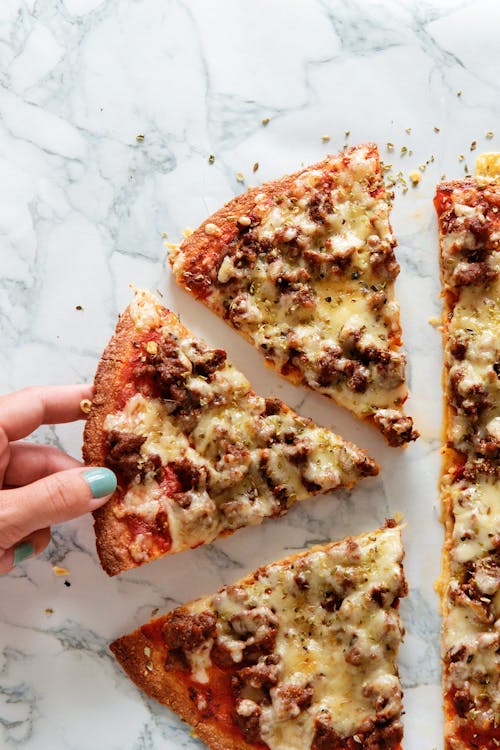
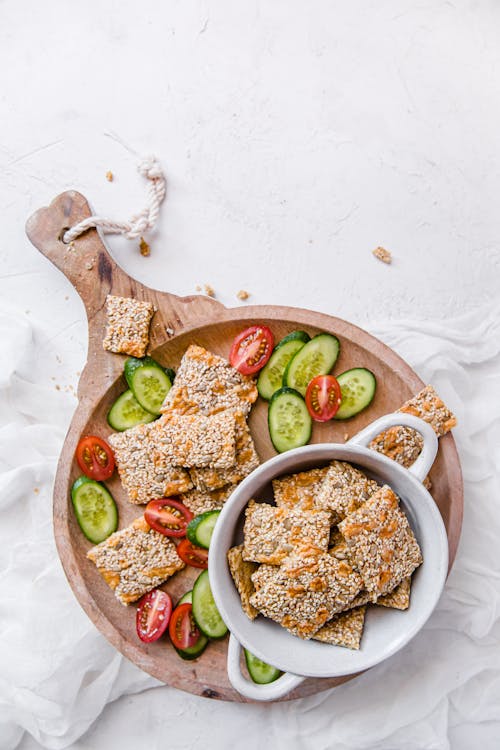
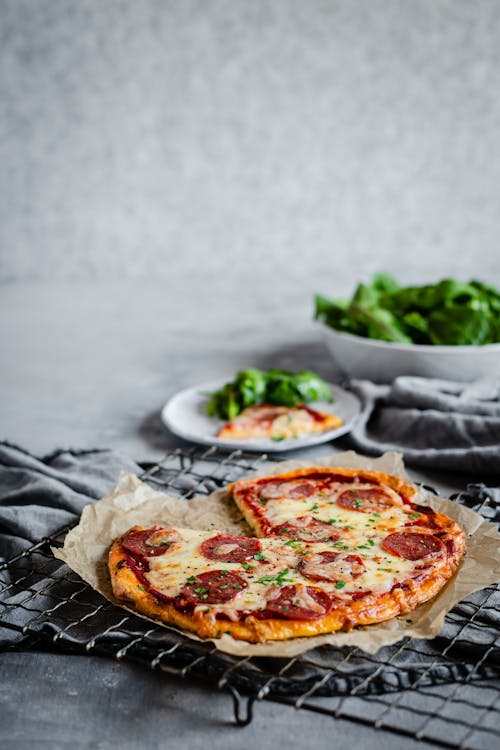
6. Top any dish with oil, dressing, sauces, or butter
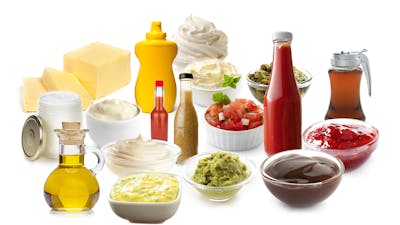
 Drizzle oil on top… Pour on dressing… Spoon on Hollandaise… Ladle on flourless gravy… Dollop on sour cream… Spread on mayo… Melt on butter. Top off your dish with one of many fat-rich options. Just remember, use fat to increase flavor but don’t overdo it! There comes a point where the extra calories may not be worth it.
What sounds delicious to you? For more, check out our recipes for low-carb dressings, condiments, dips, and sauces.
7. Ensure snacks contain fat
 As a rule, it is best to avoid snacks, but if you are too hungry to make it comfortably to the next meal, reach for a real-food snack with plenty of protein combined with fat. Obvious choices include hard-boiled eggs, and to a lesser degree cheese and nuts.
8. Add a low-carb cheese course
 Cheese is a simple addition to any meal. It works as an appetizer. It works as a topping. It works as a dessert. If you need a lot of calories, cheese can help you feel satisfied.
9. Blend fat into coffee or tea
 Adding coconut oil or melting butter into coffee or tea is quick and easy. Pouring in heavy whipping cream works, too. This warm and comforting shot of fat can replace breakfast, stave off hunger between meals, or substitute for dessert if you aren’t quite full.
Use this tool wisely; for many people, too much can stall weight loss or spike cholesterol. Only consider adding fat to your drinks if you need extra calories or are looking for a rare treat.
10. Consider a fat bomb for dessert
Our first advice is to skip dessert. If you do decide to treat yourself, look for dessert recipes that are low in sugar and artificial sweeteners. Unsweetened heavy whipped cream on raspberries is a perfect choice. Just remember, these are called “treats ” for a reason. They shouldn’t become a regular staple in your diet if healthy weight loss is one of your goals.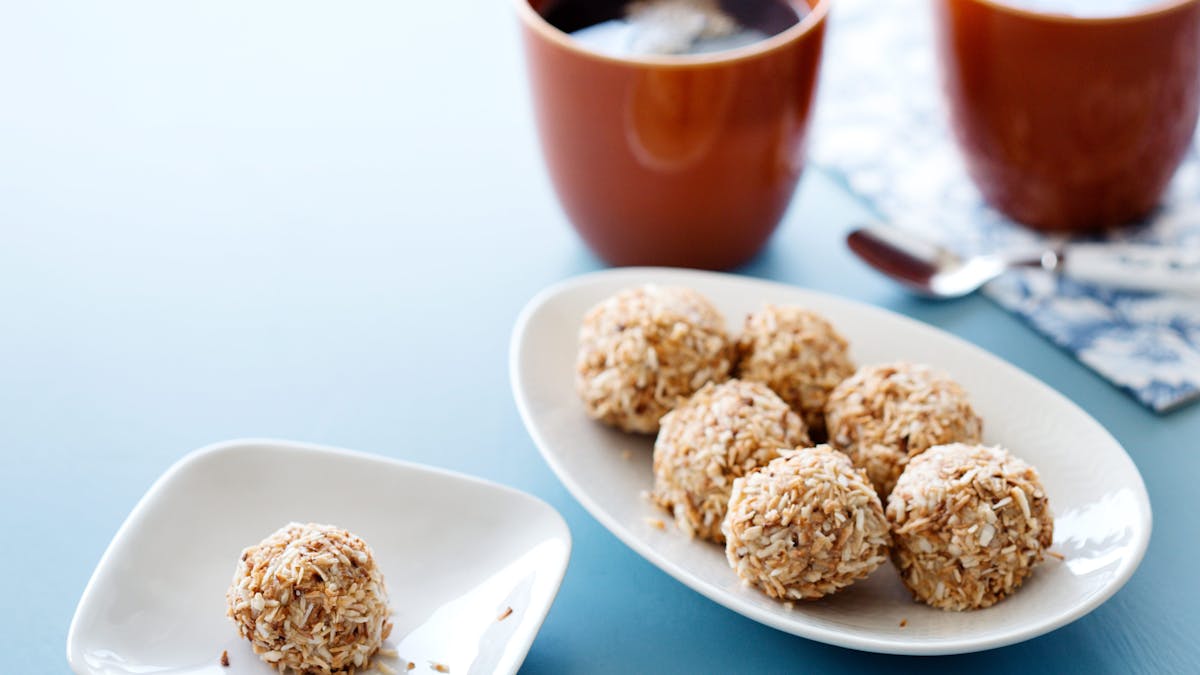
Summary of the 10 tips
Eating more fat can be easy, tasty, and satisfying. Find the tips that suit your taste and lifestyle, and dig into a whole new world of flavor. Inviting natural fat back onto your plate is delicious. Just remember to add enough for flavor, but not so much that the extra calories derail your health and weight loss progress.
How much fat should you eat on low carb or keto?
GuideHow much fat should you eat on keto or low carb? It depends on your goals. This guide will help you fine-tune your fat intake for weight loss or weight maintenance.
 Vegetables
 Fruits
 Nuts
 Snacks
 Alcohol
 Fats & sauces
 Drinks
 How many carbs?
 Breakfasts
 Meals
 No cooking
 Instead of potatoes, pasta and rice
 Bread
 Snacks and desserts
 Traveling
 Low carb in 40+ languages
 Low carb in 60s
 What to eat
 Recipes
 How it works
 Success stories
 Side effects
 Low-carb fears
 Get started